How to find and land a rental in Orlando — what landlords look for, what you’ll pay up front, and how to decide whether to rent or buy.
To rent in Orlando, set your budget and area, get your documents ready (ID, proof of income, references), then apply — landlords typically want income around 3x the monthly rent and a credit check, plus first month and a security deposit up front. Renting first is a smart way to learn a neighborhood before you commit to buying.
The fastest way to see real, available rentals is the MLS, not the scam-heavy classifieds. Tell Lina your budget, area, beds, and move-in date and she pulls current lease listings. We can arrange tours and walk you through applications so you’re not navigating it alone.
Most landlords look for monthly income around three times the rent, a credit and background check, and rental or employment references. Have your pay stubs, ID, and references ready before you apply — in a competitive complex, the first qualified, complete application often wins the unit.

Budget for the first month’s rent plus a security deposit (often equal to one month), and sometimes last month’s rent or a pet deposit. Florida doesn’t cap security deposits, but landlords must follow specific rules for holding and returning them — keep your move-in condition documented with photos.
If you’ll be in the area only a year or two, or you’re still choosing a neighborhood, renting makes sense. If you plan to stay several years, buying usually builds equity instead of paying a landlord’s mortgage. The break-even in Orlando often lands around the three-year mark.
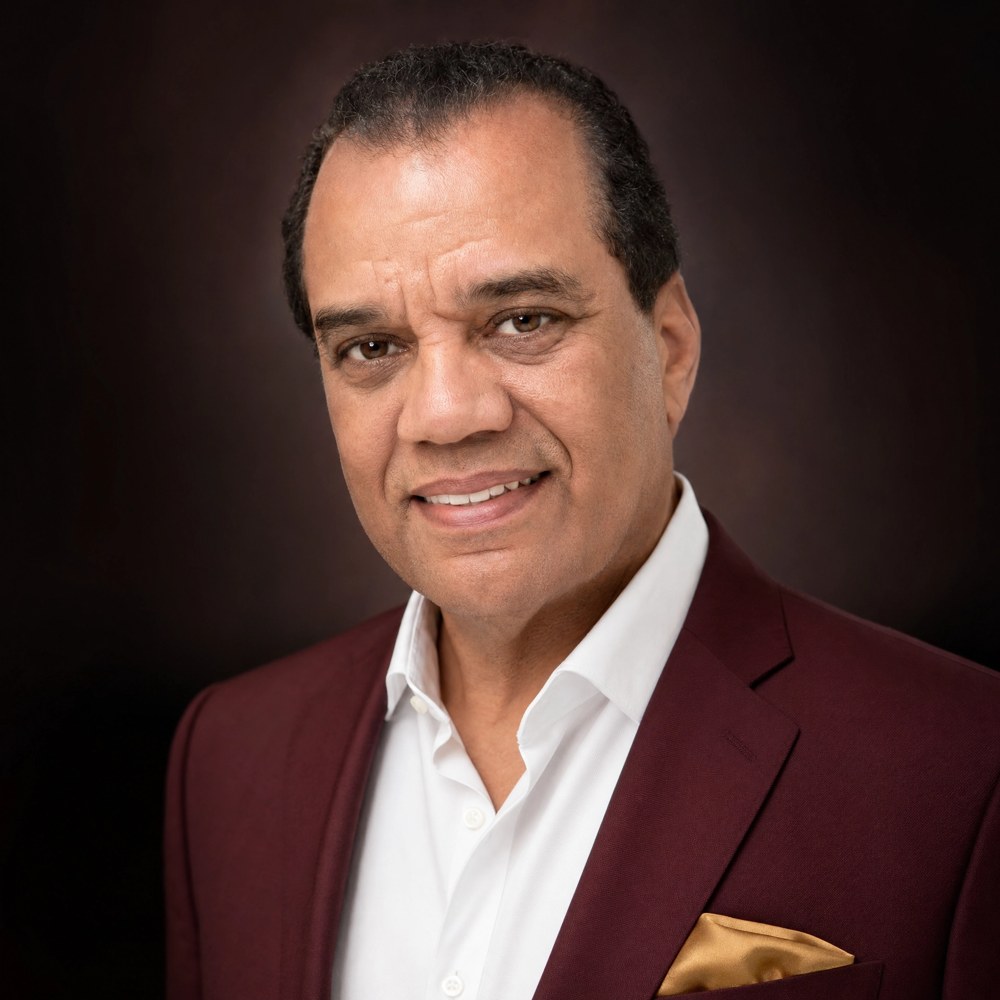
I tell new arrivals to rent for a year in the area they think they want, then buy once they actually know the commute, the schools, and the feel of the street. — Mourad Elbanna
When you’re ready, the Orlando buying guide walks you through the jump from renting to owning.
If you’re on the other side — a landlord with a property to fill — SLA markets it, screens tenants, and handles the lease for both residential and commercial spaces. See the rentals page or contact our office.
Most landlords want gross monthly income of about three times the rent, verified with pay stubs or an offer letter. If you’re self-employed, bank statements or tax returns usually work instead.
It varies a lot by area, size, and type, and it changes constantly — so we don’t post a fixed figure. Ask Lina for today’s active lease listings in your target neighborhood for an accurate picture.
Typically first month’s rent plus a security deposit of about one month, and sometimes last month’s rent or a pet deposit. Florida doesn’t cap deposits, so the exact amount depends on the landlord.
Rent if you’ll stay only a year or two or are still picking an area; buy if you plan to stay several years, since you build equity instead of paying rent. The break-even is often around three years here.
Yes — we pull live lease listings, arrange tours, and help with applications, and we can guide your transition from renting to buying when you’re ready.
Yes — SLA markets your rental, screens applicants, and handles the lease for residential and commercial properties across Central Florida.
Tell Lina what you want in plain language and she searches the live Stellar MLS, answers questions, and lines up showings — a licensed agent closes your deal.
Tell Lina your budget and move-in date — she pulls live lease listings and we handle the tours and application.
Chat with Lina (AI)