Every step of buying a home in Orlando — from your first pre-approval to the keys in your hand — explained the way I’d walk a client through it.
To buy a home in Orlando you get pre-approved with a lender, decide your areas and budget, tour homes, make a written offer, go under contract, complete inspection and appraisal, then close — usually 30 to 45 days from accepted offer to keys. Plan on roughly 3–5% down for many loan programs and 2–5% of the price in closing costs.
Start with a lender, not a listing. A pre-approval tells you the price range you actually qualify for and gives sellers confidence your offer will close. In a market where good homes still draw multiple offers, an offer without a pre-approval letter usually gets passed over.
You’ll share income, assets, and credit, and the lender issues a letter for a specific amount. If you’re buying your first place, the Florida first-time buyer guide covers down-payment-assistance programs that can lower what you need up front.
Your payment is more than principal and interest. In Florida, budget for property taxes (estimated from the millage rate), homeowners insurance — which runs higher here because of wind and flood risk — and, in many newer communities, HOA dues and a CDD assessment on the tax bill.
If you put less than 20% down on a conventional loan, add PMI. Run the numbers on our mortgage calculator, then ask Lina for the real tax and HOA figures on any specific listing.

Orlando isn’t one market — it’s dozens. Walkable and historic in Winter Park, resort-style around Dr. Phillips, family-driven and newer in Winter Garden and Oviedo, and strong value in Apopka and Clermont.
Tell Lina your budget, beds, and must-haves and she pulls live homes for sale from the MLS so you tour only the ones that fit.
When you find the one, we write the offer using current comps — recent sales of similar nearby homes, not the asking price. The contract spells out your price, your earnest money deposit (often 1–3% here), and your contingencies for financing, appraisal, and inspection.
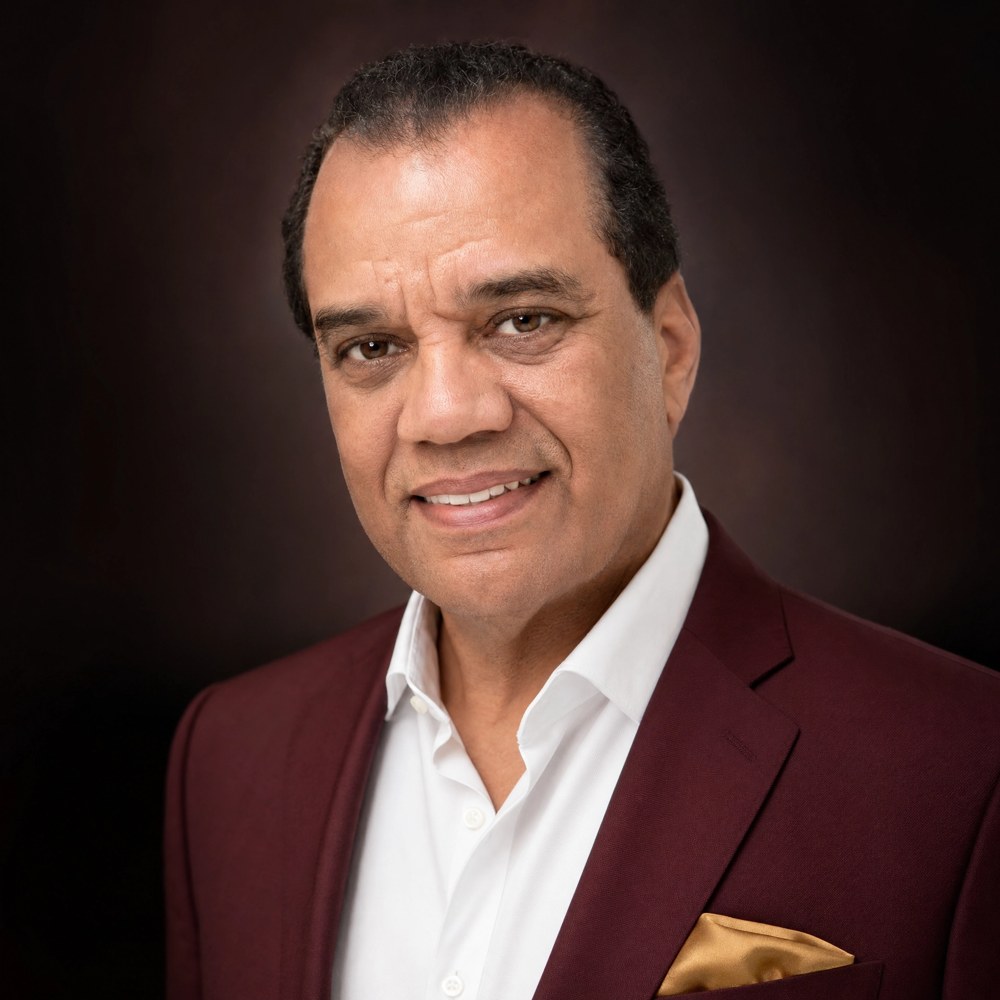
The buyers who win in Orlando aren’t always the highest — they’re the ones whose offer is clean, pre-approved, and priced to the comps. That’s what I build for every client. — Mourad Elbanna
Once you’re under contract, your inspection period begins. A home inspection finds defects; on older homes you may also need a four-point and a wind-mitigation inspection for insurance. Your lender orders the appraisal; if it comes in low, we renegotiate, you cover the gap, or you use the contingency to walk.
At closing the title company confirms clear title, you sign, funds are wired, and the deed records. Florida buyers typically pay 2–5% of the price in closing costs — lender fees, prepaid taxes and insurance, and recording. The seller customarily pays the owner’s title insurance in most of Central Florida, though everything is negotiable.
After closing, if it’s your primary residence, file for the homestead exemption by March 1 — it trims your taxable value and caps future increases under Save Our Homes.
Usually 30 to 45 days from an accepted offer to closing on a financed purchase. Cash deals can close in as little as two weeks; the timeline mostly depends on your loan and the inspection period.
Plan on your down payment (as little as 3–5% on many loans, 0% on VA/USDA if eligible) plus 2–5% of the price in closing costs. Florida down-payment-assistance programs can reduce the cash you bring — ask us if you qualify.
Many conventional loans start around 620, FHA can go lower, and a higher score gets you a better rate. Talk to a lender first; a strong pre-approval matters more than chasing a perfect score.
You’re not legally required to have one, but a buyer’s agent prices your offer, manages inspections and deadlines, and negotiates for you — at no guesswork on the contract. We explain exactly how buyer-agent compensation works for your deal up front.
Typically 2–5% of the purchase price: lender fees, title charges, prepaid property taxes and insurance, and recording. In most of Central Florida the seller pays the owner’s title policy, but it’s negotiable in the contract.
Get pre-approved. A pre-approval verifies your income, credit, and assets and carries real weight with sellers, while a pre-qualification is just an informal estimate that rarely wins a contract here.
Tell Lina what you want in plain language and she searches the live Stellar MLS, answers questions, and lines up showings — a licensed agent closes your deal.
Tell Lina your budget and must-haves — she pulls live MLS matches in seconds, and Mourad takes it from there.
Chat with Lina (AI)