How commercial real estate works in Orlando — the property types, what drives value, and how to buy, lease, or invest with a clear head.
Orlando commercial real estate covers office, retail, industrial, multifamily, and business opportunities, and value is driven mostly by location, tenant strength, and the metro’s growth. To buy or lease, you define your use and budget, analyze the location and the numbers (cap rate, lease terms, traffic), then negotiate — SLA handles the search, due diligence, and deal across Central Florida.
Commercial real estate isn’t one thing. The categories you’ll deal with in Central Florida:
Residential value leans on comparable sales; commercial leans on income. Buyers look at the cap rate (net operating income divided by price), lease length and tenant credit, and the location’s growth path. Orlando’s job growth, tourism, and the buildout around Lake Nona’s Medical City keep many submarkets in demand.
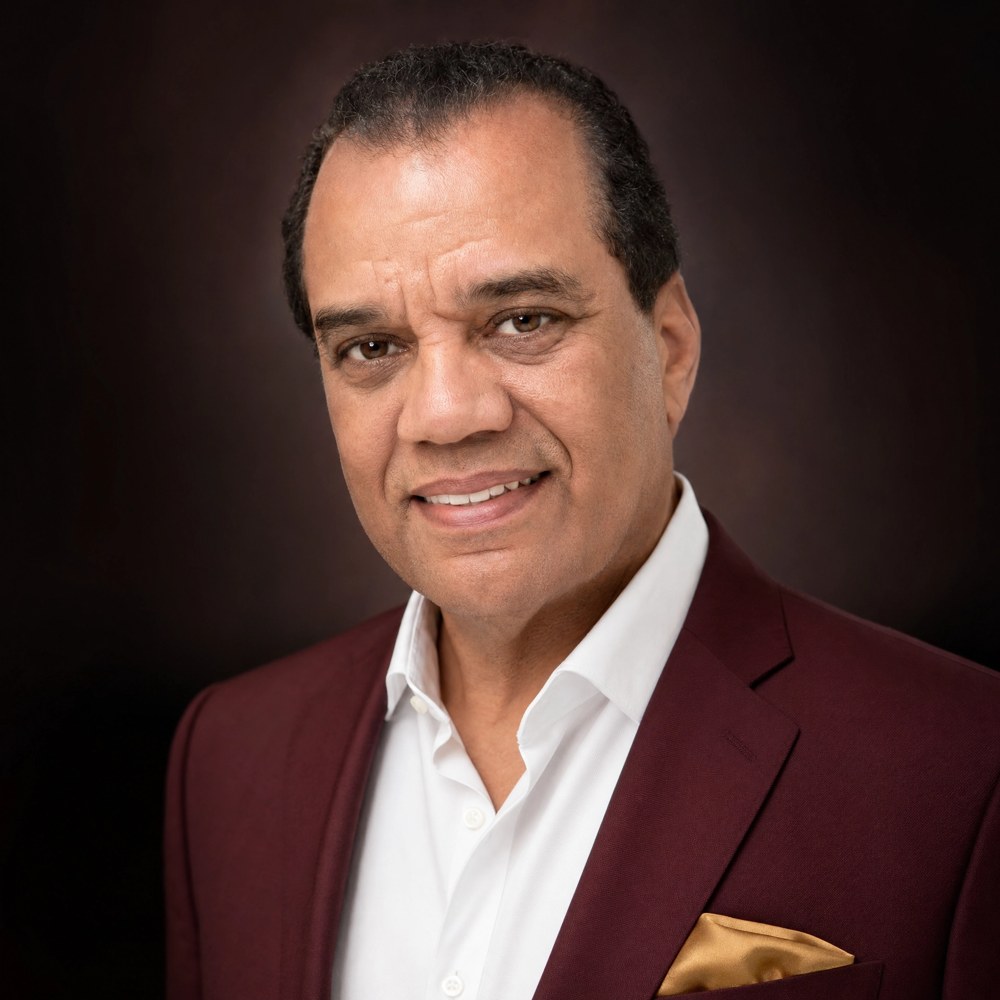
In commercial, you’re not buying a building — you’re buying an income stream and a location’s future. The dirt around a good tenant is what appreciates. — Mourad Elbanna

If you run a business, leasing preserves capital and flexibility; buying builds equity and locks your occupancy cost. Watch the lease structure — triple-net (NNN) leases pass taxes, insurance, and maintenance to you on top of base rent, which changes your real monthly number. We model both so the decision is clear.
For investors, we run location analysis, demographics, and the numbers before you commit, and help with 1031 exchanges and portfolio strategy. Growth corridors in east Orange, Osceola, and Polk County are where a lot of new commercial demand is heading.
Office, retail, restaurants, industrial and warehouse, multifamily, mixed-use, and established business opportunities. SLA handles all of them across Central Florida — ask Lina to filter by type and area.
The capitalization rate is a property’s annual net operating income divided by its price, expressed as a percentage — a quick gauge of return. Lower cap rates usually mean a safer, pricier asset; higher cap rates mean more risk or upside.
Leasing preserves cash and flexibility; buying builds equity and fixes your occupancy cost. We model both for your numbers, including triple-net costs, so you can decide with real figures.
A lease where the tenant pays property taxes, insurance, and maintenance on top of base rent. It lowers the quoted rent but raises your true monthly cost, so always compare leases on the all-in number.
Yes — we provide location and demographic analysis, run the numbers, and support 1031 exchanges and portfolio strategy across the metro’s growth corridors.
Use the commercial listings link on this guide or our commercial page, or just ask Lina to pull current office, retail, industrial, or business-opportunity listings in your target area.
Tell Lina what you want in plain language and she searches the live Stellar MLS, answers questions, and lines up showings — a licensed agent closes your deal.
Tell Lina what your business or portfolio needs — Mourad runs the location analysis and the numbers with you.
Chat with Lina (AI)