Whether an Orlando condo makes sense as an investment — the upside, the HOA math, and the financing catch most buyers miss.
Orlando condos can be a solid investment thanks to strong rental demand near downtown and the attractions, lower entry prices, and less maintenance — but the returns hinge on HOA dues, rental rules, and financing, which is stricter for condos. Run the full numbers, including dues and any rental restrictions, before you buy.
Condos offer a lower entry price than houses, less maintenance (the association handles the exterior), and strong rental demand in walkable areas like downtown/Thornton Park and the attractions corridor near Dr. Phillips. For first-time investors, that’s an accessible way in.
The catch is the recurring cost. HOA dues can take a real bite out of cash flow, and some associations limit or ban short-term rentals — critical if you’re eyeing the vacation market. Always read the rules and the budget before you fall for a unit. Compare options on the Orlando condos page.
Lenders scrutinize the condo association, not just you — its finances, reserves, and owner-occupancy ratio. Some buildings aren’t approved for FHA/VA loans, and a few are hard to finance at all. We confirm a building is lendable before you waste an inspection fee.
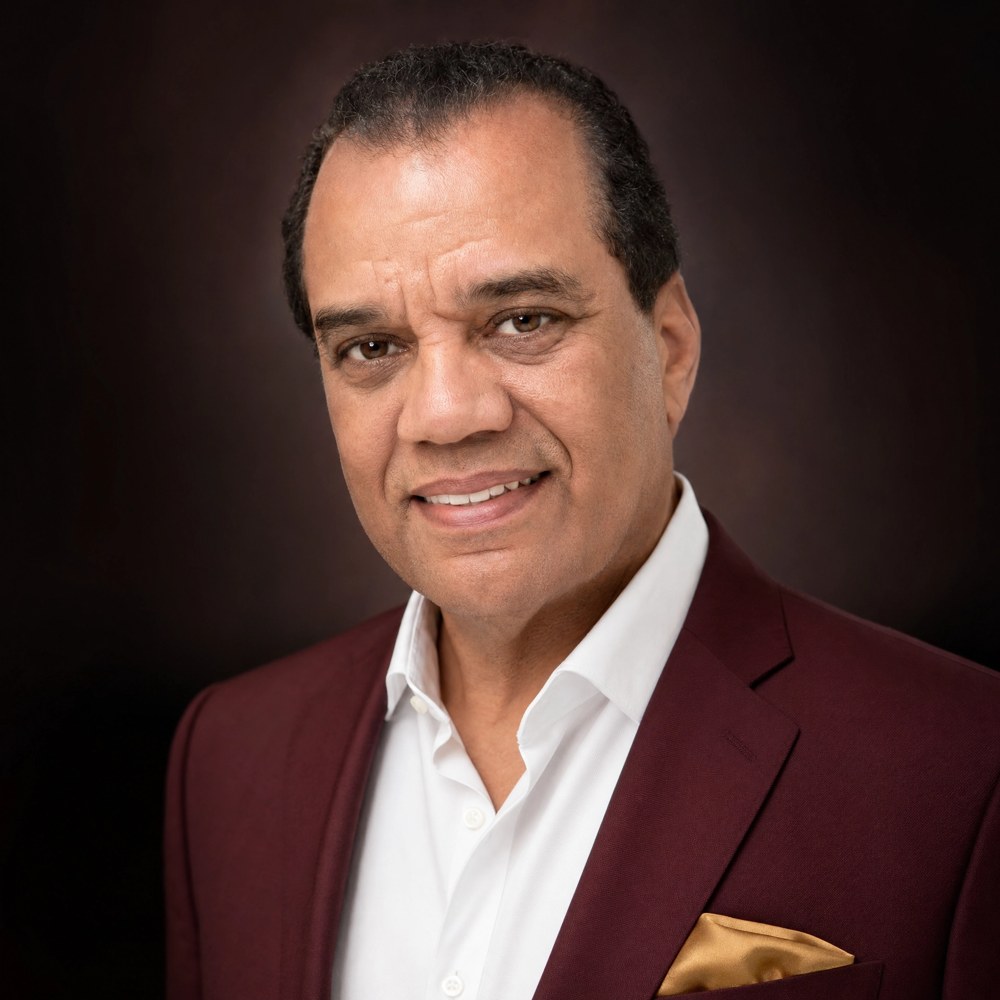
A great-looking condo in a poorly funded association is a bad investment hiding in plain sight. I read the HOA financials before I let a client get attached. — Mourad Elbanna
Since Florida’s post-Surfside law took effect, condo buildings three stories or taller must complete a milestone structural inspection and fully fund their reserves (a SIRS). That has pushed HOA dues and one-time special assessments up in older buildings — and it’s now the single most important thing to check before buying a condo as an investment. Always pull the association’s milestone status, reserve study, and assessment history before you write an offer. If that regime gives you pause, fee-simple townhomes sit outside it — we compared the two in the townhome version of this question.
Run the numbers on cap rate, not gut feel: net the rent against dues, taxes, insurance, and a vacancy allowance. Newer, well-funded buildings near job centers (downtown, Lake Nona, Dr. Phillips) tend to rent reliably; older waterfront buildings can carry surprise assessment risk. Check the association’s rental rules too — some cap the number of leased units or set minimum lease terms that kill a short-term strategy. Browse current Orlando condos to see the spread.
Florida tightened the rules on condominium buildings after Surfside, and the paperwork is now the single most important part of a condo purchase. A unit can look perfect and still sit in an association that’s about to bill every owner a five-figure assessment.
Ask for the structural integrity reserve study, the milestone inspection report if the building is old enough or tall enough to require one, the current budget with the reserve balances, the last year of board meeting minutes, and any assessments already voted or being discussed. The minutes are where problems show up first — usually months before they become a bill.
The reason this matters: associations are required to fund reserves for major structural components rather than waiving them the way many did for years. Buildings that deferred that for a decade are catching up now, and the catching up is paid by whoever owns the unit when the bill lands. That could be you.
I’d rather lose a deal in due diligence than hand someone a special assessment three months after closing.
Buyers are often surprised that they qualify easily and the building doesn’t.
Lenders review the association, not just you: the reserve funding, the percentage of owners behind on dues, how much of the building is investor-owned versus owner-occupied, pending litigation, and insurance coverage. If the association fails those tests, conventional financing can get harder or disappear, which pushes you toward a larger down payment or cash.
That cuts both ways for an investor. A building with financing problems has a smaller buyer pool when you go to sell — which is exactly when you find out. Ask about the building’s lending status early, because it affects both your purchase and your exit.
They can be — strong rental demand, lower entry prices, and less maintenance are real advantages, but HOA dues, rental rules, and stricter financing shape the return. Run the full numbers first.
It depends entirely on the association’s rules and local zoning — some allow it, many restrict or ban it. Always confirm the rules before buying for the vacation-rental market.
Lenders review the association’s finances, reserves, and owner-occupancy, and some buildings aren’t approved for FHA/VA or are hard to finance. We confirm a building is lendable before you commit.
They can — dues reduce cash flow, so they must be part of your investment math. Lina can pull the fee details on any listing so you see the real numbers.
Condos offer lower entry and maintenance; single-family homes offer more appreciation potential and fewer rental restrictions. The right pick depends on your budget and strategy.
Pull the association’s milestone inspection status, reserve study (SIRS), assessment history, and rental rules. Post-Surfside, underfunded older buildings can hit owners with large special assessments.
The structural integrity reserve study, the milestone inspection if required, the current budget with reserve balances, the last year of board meeting minutes, and any pending or approved special assessments. The minutes usually reveal problems long before they become bills.
Lenders underwrite the association as well as the buyer — reserves, delinquency rates, investor-versus-owner occupancy, litigation, and insurance. If the building fails those checks, conventional financing can become difficult, which also shrinks your buyer pool at resale.
Tell Lina what you want in plain language and she searches the live Stellar MLS, answers questions, and lines up showings — a licensed agent closes your deal.
Ask Lina for listings with the HOA details — Mourad reads the association’s numbers before you commit.
Chat with Lina (AI)